
What They Reveal About Culture, Memory, and Burial Practices
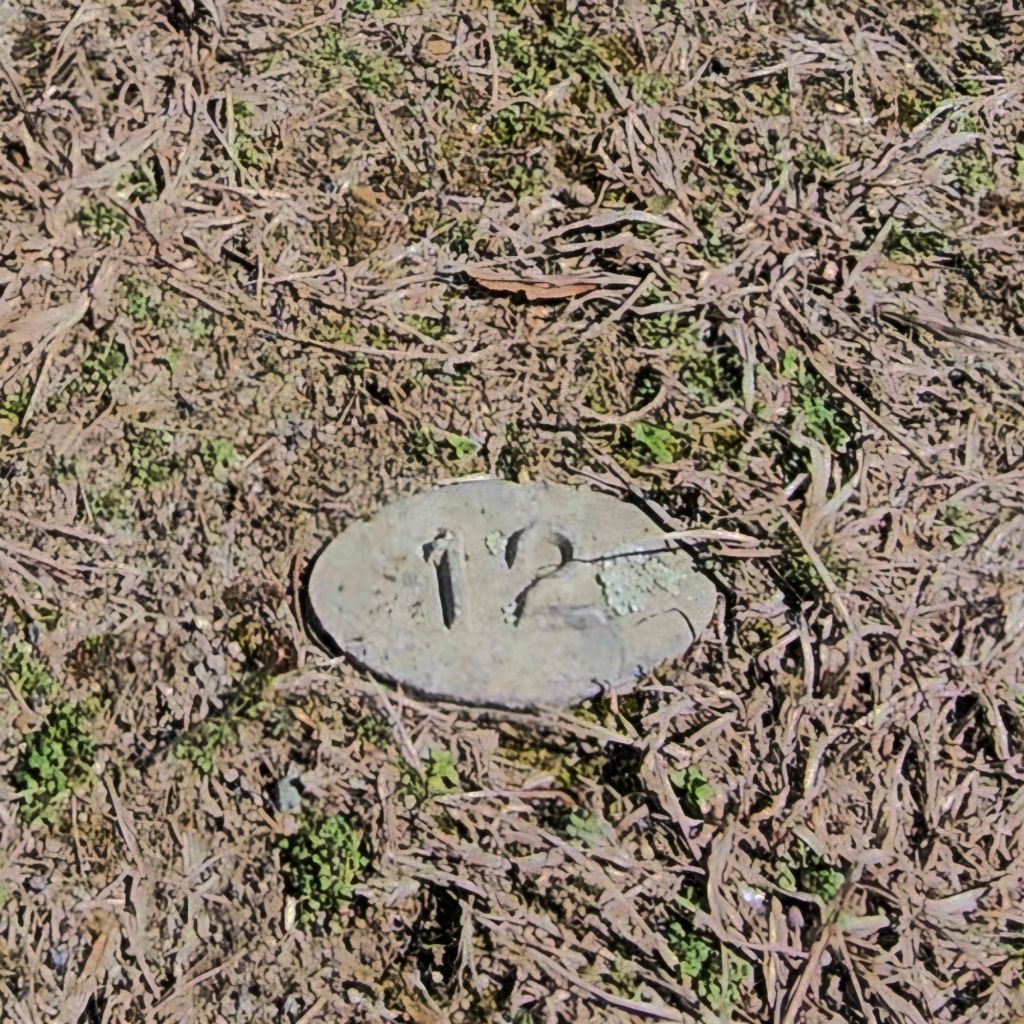
When we walk through a cemetery, most of us expect a certain visual language. We look for carved names, dates, and symbols that tell us who someone was and when they lived. Headstones act as both a marker and a memory, giving each person a visible place in history. But not every grave follows that pattern. During a visit to Davis Cemetery in Dartmouth, Massachusetts, I noticed something that completely shifted how I understand these spaces. There were areas with no headstones at all. No names, no dates, nothing carved into stone. Instead, there were small metal stakes driven into the ground, each marked with a number. At first glance, they were easy to overlook. They did not stand out the way a traditional headstone does. In fact, they almost blended into the landscape. But once I noticed one, I started seeing more. That is when I realized that these were not random objects. These were grave markers.
More Than a Marker, A Cultural Choice
Metal stake markers, often labeled with a number, are used in place of traditional headstones in many cemeteries. The number typically corresponds to a record held by a cemetery, church, or local town office. That record may include a name, a burial date, or other identifying information. What is important is not just what the marker is, but what it represents. A headstone is a public form of remembrance. It tells a story that anyone can read. A numbered marker, on the other hand, shifts that memory into a record system. The identity still exists, but it is no longer immediately visible. This difference reflects something deeper. It shows how culture, resources, and circumstance influence how people are remembered.
Other Ways Unmarked Graves Are Identified
- The metal stake I found in Massachusetts is only one method. Different regions and time periods have used a variety of ways to mark graves without traditional headstones.
- In some cemeteries, especially older ones, you may find small flat stones set flush with the ground. These may have no visible writing, or the inscriptions may have worn away over time.
- Wooden markers were also commonly used in the past. These could be simple boards or crosses. However, wood does not last forever, and many of these markers have disappeared completely due to weather and age.
- Fieldstones are another example. These are natural, uncarved stones placed at the head or foot of a grave. They often have no inscription at all, serving only as a physical indicator that someone is buried there.
- In more modern cemeteries, temporary plastic or metal tags are sometimes used. These may include a small plate with a name or number and are often intended to be replaced later. In some cases, they remain long term.
- Some burial sites rely entirely on maps and records, with no visible marker at all. In these cases, the only way to identify a grave is through documentation.
Each of these methods reflects different priorities. Some focus on visibility, while others focus on record keeping. Together, they show that there is no single standard for how graves must be marked.
Why Some Graves Are Not Marked With Names
There are many reasons why a grave might not have a traditional headstone.
- Cost is one of the most common factors. Headstones can be expensive, and not every family has the ability to purchase one. In these cases, a numbered marker ensures that the burial is still documented, even if it is not publicly displayed.
- Time can also play a role. Some markers begin as temporary solutions while a family plans for a permanent stone. However, not all temporary markers are replaced. Over time, they can become the only marker that remains.
- Historical record keeping is another factor. In older cemeteries, especially in regions like New England, records were not always preserved consistently. Fires, weather, and gaps in documentation have led to situations where names are no longer easily connected to specific burial locations.
- There are also cases where the identity of the person may have been unknown at the time of burial. In those situations, a number becomes the only way to track the location.
Each of these reasons reflects a different aspect of society. Financial limitations, historical conditions, and community practices all influence how a person is remembered after death.
Why Use a Metal Stake
The design of these markers is practical. Metal stakes are driven deep into the ground to ensure they remain in place over time. In areas like Massachusetts, where the ground shifts due to seasonal changes, a shallow marker could easily be moved or lost. A deeply set stake provides stability and consistency. Unlike headstones, which are meant to be seen and read, these markers are meant to preserve location. Their purpose is functional, but that function still carries meaning. Even without a visible name, the marker is an acknowledgment. It shows that someone is buried there and that their presence has been recorded.
Can You Find the Person Behind the Number
In some cases, yes. If you come across a numbered marker, like the one I found marked with the number twelve, that number may correspond to a burial record. These records are often kept at a local town hall, cemetery office, or historical society. Researching these records can sometimes connect the number to a name and a story. However, this is not always guaranteed. Some records have been lost, and not all cemeteries have complete documentation available. Still, the number itself is meaningful. It represents an attempt to preserve identity, even if that identity is not immediately visible.
Not Every Cemetery Does This
One of the most interesting aspects of this discovery is realizing that not all cemeteries take this approach. Some burial sites have completely unmarked graves with no visible indicators at all. Over time, these graves can become indistinguishable from the surrounding land, especially if records are missing or incomplete. In that context, even a simple numbered stake becomes significant. It reflects a decision to acknowledge the burial, even in a minimal way.
This highlights how different communities handle memory and preservation. Some prioritize visible remembrance, while others rely on records, or in some cases, leave no marker at all.
A Shift in Perspective
What stood out to me most about this experience was how easily these markers could be overlooked. I have likely walked past them before without realizing what they were. They do not draw attention. They do not tell a story at a glance. But they are part of a much larger story about how we remember people, how we record history, and how culture shapes even the most final moments of life. Sometimes, remembrance is carved into stone. Other times, it is reduced to a number in the ground and a record stored somewhere else.
Either way, the story is still there. You just have to know where to look.